
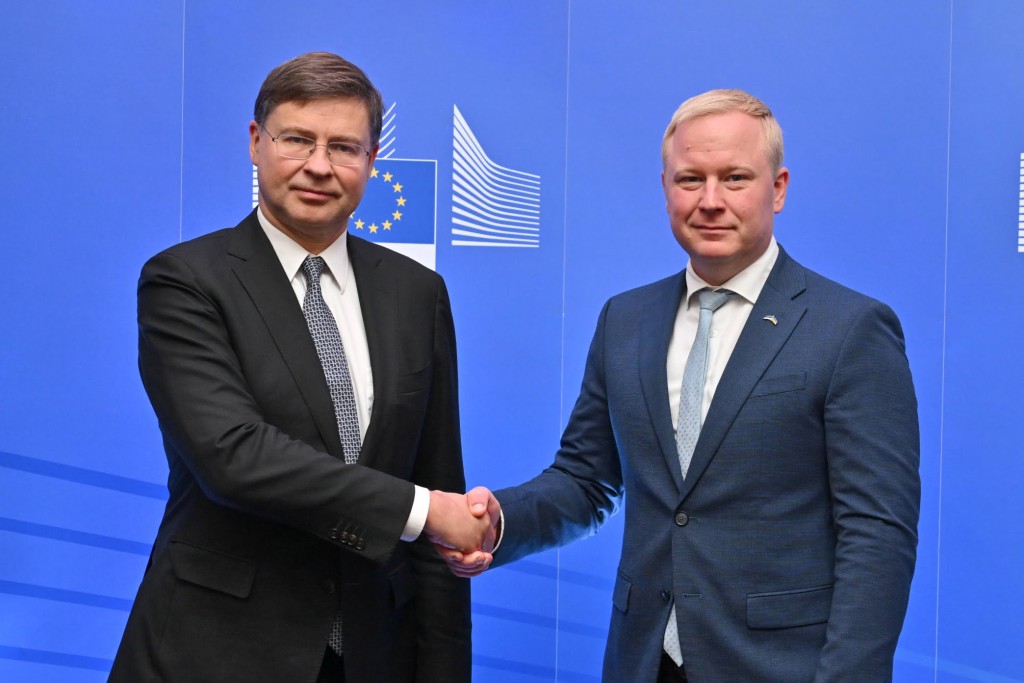
Minister of Finance Mart Võrklaev stated that the amount paid out is a significant financial boost to the Estonian economy, reflecting our progress in the implementation of several important reforms and investments in the field of energy, the green and digital transition, the labour market, healthcare and long-term care, green skills, innovation and transport.
‘Since the recovery plan funds are allocated only after the completion of planned actions, we have already made a significant contribution towards a more competitive and sustainable future. We have invested €74 million into the strengthening of electricity grids, €76 million into the comprehensive reconstruction of apartment buildings and the insulation of small residential buildings. We also invested €100 million into the Green Fund with the goal of raising capital for the development of new green technologies in strategic sectors such as energy, agriculture, food industry, transport and logistics, and materials and chemical industry,’ Võrklaev added.
The original recovery plan was approved in autumn 2021, but this period also included a modification to the plan, which was due to the reduction in the volume of aid, disruptions in supply chains, high inflation and the energy crisis. The goal was to agree upon modifications that would prioritise the most critical needs – the competitiveness of businesses, the green transition, the digital transition in both the public and private sectors, and energy security.
‘I am pleased that the modifications to the plan have now been approved, and we can focus on implementing the planned reforms and investments. Over the entire period of the recovery plan, we have nearly one billion euros at our disposal, which we must now use wisely. With this funding, we can invest in our future resilience and create opportunities for the emergence of new, smart solutions over the coming years. In addition, these investments will strengthen the competitiveness of our companies, open up new export opportunities and lay the foundation for our long-term economic growth,’ Võrklaev stated.
The goal of the Recovery and Resilience Facility is to promote the EU’s economic, social and territorial cohesion by enhancing the resilience, crisis preparedness, adaptability and economic growth potential of its Member States; to mitigate the social and economic impact of the crisis; to support the green and digital transitions and contribute to the creation of new high-quality jobs.

